Sending money home is a lifeline for millions of immigrants in the USA. It supports parents, pays school fees, and helps loved ones thrive. So you want every dollar to count. However, the rules changed in 2026, and the way you pay now matters more than ever. Choose the wrong method, and you could lose hundreds of dollars a year. Choose the right one, and you keep nearly all of it.
This guide makes the choices simple. First, we explain the new 1% remittance tax and how to avoid it legally. Next, we compare the cheapest, fastest services for an international money transfer. Finally, we share smart money and tax tips for 2026 and 2027. By the end, you will know exactly how to send money home from the USA for the lowest possible cost.
| Method | Approx Cost on a $1,000 Transfer | Notes |
|---|---|---|
| Cash at a storefront (Western Union, MoneyGram) | ~$35–$45 | Now adds the 1% remittance tax |
| Bank wire (SWIFT) | ~$25–$50 | High fees and hidden exchange-rate markup |
| Digital app, bank-funded (Wise, Remitly) | ~$5–$10 | Tax-exempt and far cheaper |
| Stablecoin/crypto rail | under $1 in network fees | Fast, but needs a regulated off-ramp |
The Big 2026 Change: A New 1% Remittance Tax
Let us start with the news that affects everyone. A new 1% federal tax now applies to certain money transfers leaving the USA. It began on January 1, 2026, under the One Big Beautiful Bill Act. The IRS calls it the remittance transfer tax. The sender pays it, and the transfer company collects it.
Here is the crucial part, though. The tax does not apply to every transfer. It only hits transfers funded with cash, a money order, or a cashier’s check. In other words, paying with physical money at a storefront triggers the 1% charge. So a $1,000 cash transfer now costs an extra $10 in tax alone. On a $5,000 monthly habit, that adds up fast over the year.
Importantly, this rule treats everyone the same. It applies to citizens, green card holders, and undocumented workers alike. The trigger is how you pay, not who you are. Therefore, your payment method is now your most powerful money-saving tool.
How to Legally Avoid the 1% Tax
The good news is simple. You can avoid the 1% tax completely, and it is fully legal. The exemption depends entirely on funding your transfer the right way. So switch away from cash, and you switch off the tax.
Several payment methods are exempt by law. A transfer funded from your US bank account pays no tax. A US-issued debit card or credit card also qualifies for exemption. Digital wallets and US-regulated crypto platforms are exempt too. As a result, most digital apps avoid the tax automatically. Services like Wise, Remitly, and WorldRemit do not even accept cash. That means your transfers stay tax-free by default.
So the strategy is clear. Stop sending cash at a counter. Instead, link a US bank account or card to a digital app. You keep the 1%, and you usually pay lower fees as well. It is a rare win on both fronts.
Best Digital Services to Send Money Home
Not every app offers the same value. The right choice depends on your destination and your transfer size. Still, a few providers lead the pack in 2026. Each one funds transfers electronically, so each one avoids the new tax.
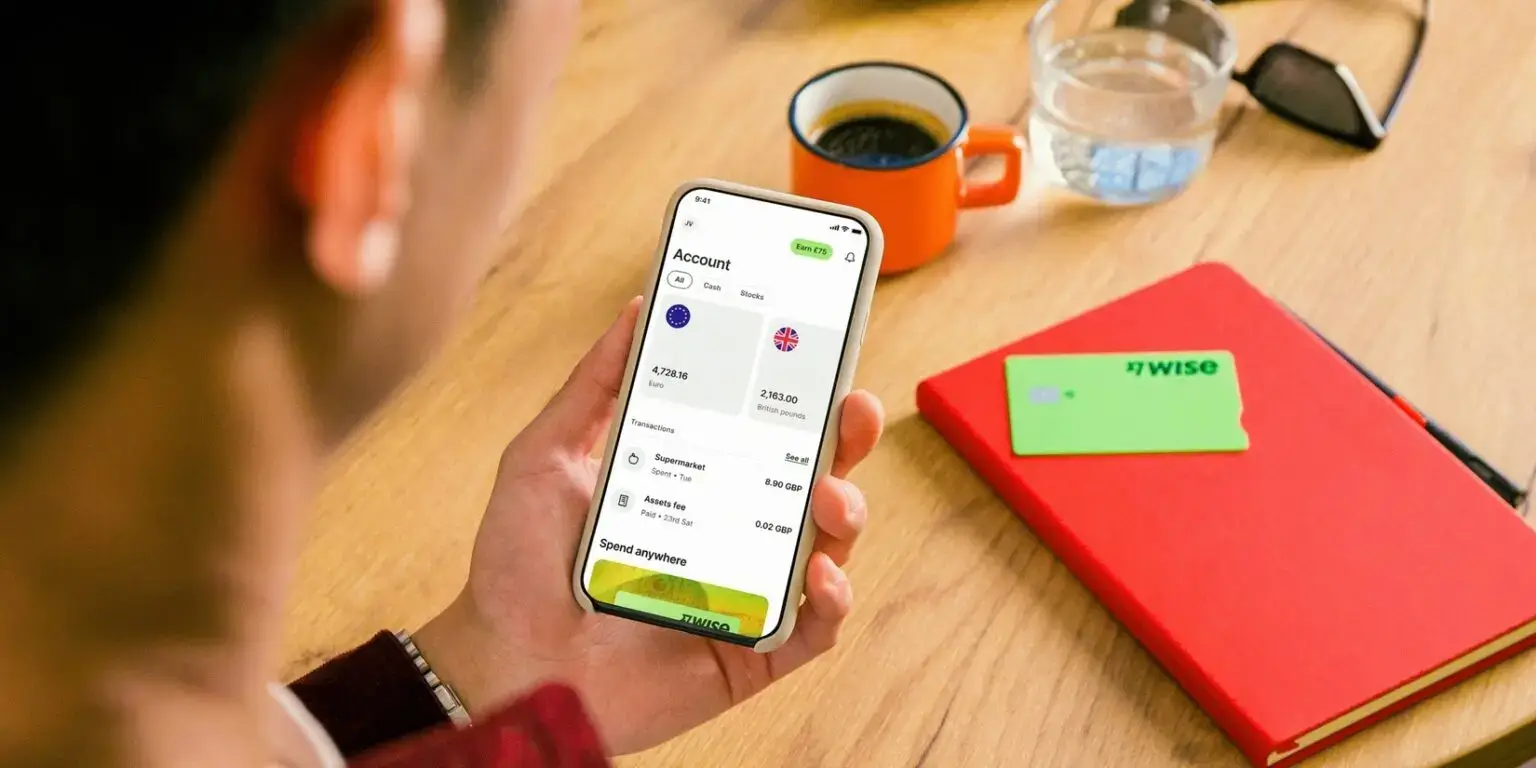
Wise is the transparency leader. It uses the real mid-market exchange rate and adds a small, visible fee. Sending $1,000 often costs around $5 to $8 in total. Remitly excels on popular corridors like India, Mexico, and the Philippines. Its economy option can cost as little as $0 to $3.99, though delivery takes a few days. WorldRemit and Xoom round out the field with strong app experiences and wide reach. Meanwhile, traditional bank wires lag behind. They often charge $25 to $50 and hide extra costs in the exchange rate. So for most transfers under $5,000, a digital app wins easily.
Watch the Exchange Rate, Not Just the Fee
Many people focus only on the upfront fee. That is a costly mistake. The exchange rate often hides the biggest charge of all. Providers earn money on the gap between the real rate and the rate they give you. This gap is called the markup.
Here is how to protect yourself. First, find the mid-market rate on Google or Reuters. Then compare it with the rate your app offers. A small markup of 0.3% to 0.5% is excellent. A markup of 2% to 4% is expensive and common at banks. On a $1,000 transfer, that difference can cost you $35 or more. So always check the rate, not just the fee. A few seconds of comparison saves real money every single month.
Crypto and Stablecoins: A Newer Option
Some senders now use stablecoins to move money abroad. These are crypto coins pegged to the US dollar, like USDC. Funded from a US-regulated exchange, they are exempt from the 1% tax. They also settle in seconds and cost very little in network fees, often under $1.
However, this route is not for everyone. Your recipient must access a trusted way to cash out locally. Without that, the savings disappear quickly. Large gains between buying and sending may also create tax paperwork. So reserve crypto for big, time-sensitive transfers. For everyday remittances, a digital app is usually simpler and safer.
Smart Money and Tax Tips for 2026/2027
A few habits stretch your money even further. First, choose a low-cost international money transfer app and stick with it. Loyalty programs and volume discounts reward regular senders. Second, consider opening an account with a credit union. Credit unions often charge lower fees than big banks. In addition, a trusted financial advisor can help you budget your remittances wisely.
Taxes deserve attention too. An expat tax advisor or international tax accountant can guide you through cross-border tax rules. They help you avoid double taxation between the US and your home country. Meanwhile, keep clear records of every transfer for at least seven years. Good records protect you if the IRS ever asks questions.
Finally, think about your wider financial life in the USA. If you plan to buy a home, then a mortgage and a mortgage pre-approval set your budget. Protect that home with homeowners insurance and property insurance, plus flood insurance or earthquake insurance where the risk exists. Remember property tax in your monthly budget as well. Add auto insurance before you drive, life insurance for your family, and umbrella liability coverage for extra safety. A good insurance broker can compare these quickly. And if your status is still evolving, an immigration lawyer or immigration attorney can keep your plans on track.
Conclusion
Sending money home from the USA is easier and cheaper than many people fear. The key in 2026 and 2027 is simple. Avoid cash at storefronts, because that now triggers the new 1% remittance tax. Instead, fund your transfers from a US bank account or card, and the tax disappears legally.
From there, choose a transparent digital app like Wise, Remitly, or WorldRemit. Compare the exchange rate, not just the fee, and you keep nearly every dollar. On a $1,000 transfer, the right choice can save you $35 or more compared with old-school methods. Plan smart, fund wisely, and your hard-earned money reaches the people who matter most.

 AlbertCrane